Scaffolding Safety Training: Key Benefits for Construction
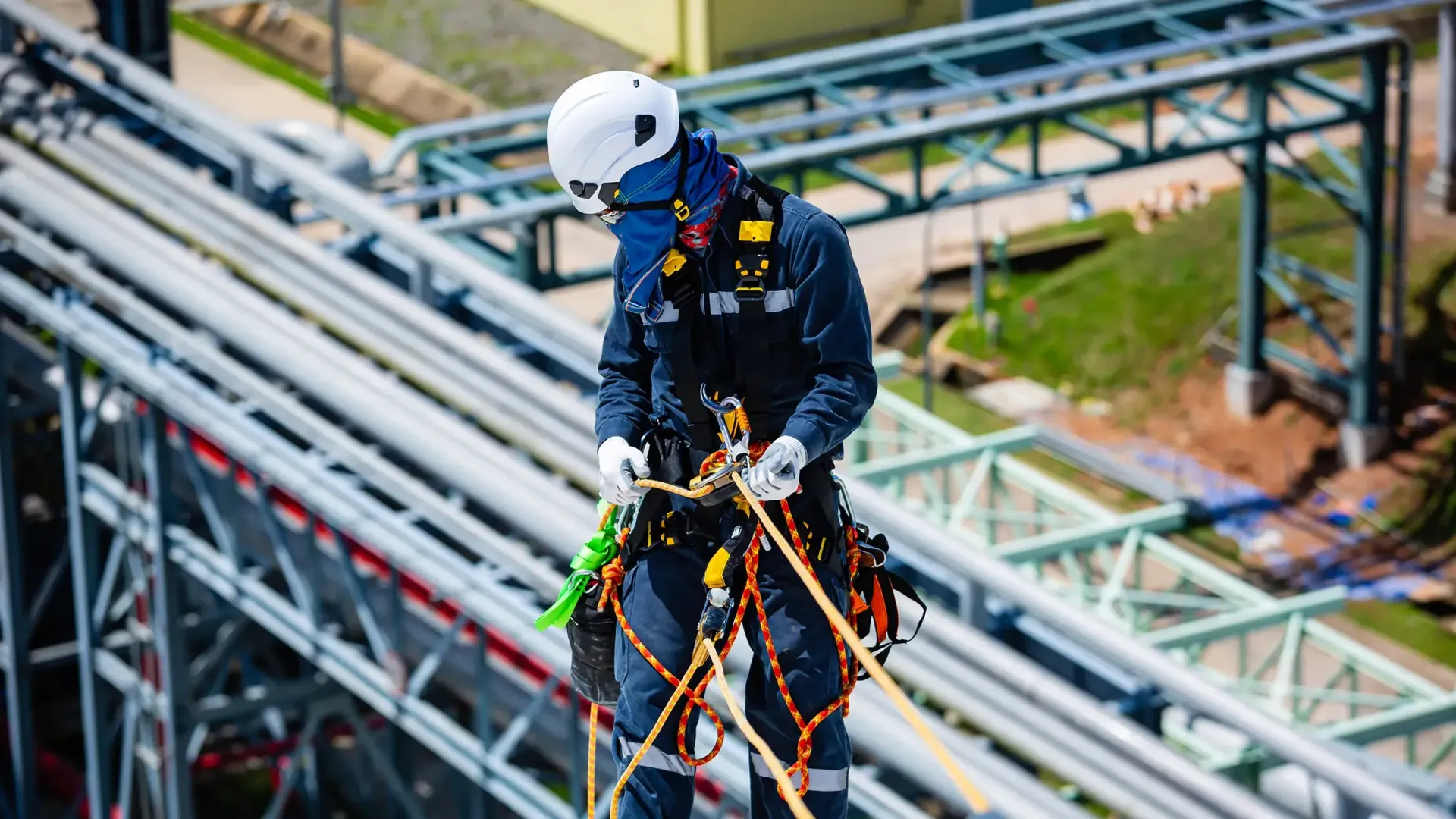
Scaffolding safety training is one of the most valuable resources construction companies can offer employees. Safety is paramount in these projects, but oversights and missteps often lead to costly losses. The benefits of scaffolding safety training now and refreshers in the future are hard to overestimate.
Why Scaffolding Safety Training Matters
Scaffolding is a complex network of individual components that must come together with careful precision to provide ample protection. If that fails, people fall. Scaffolding safety training provides a way to educate teams on how to place, maintain and use scaffolding safely, reducing the risk of devastating outcomes.
Scaffolding is an essential but high-risk piece of equipment used on many construction sites. Built improperly or not maintained, it can lead to numerous safety risks, including falls from heights.
To minimize such risks, OSHA compliance is thorough and exhaustive. It provides a range of steps for various environments and conditions. Oversights to these rules lead to costly fines, but they can be confusing and complex. While you must meet those guidelines and expectations, understanding them, especially for teams on hectic jobsites, is not easy.
Reducing Accidents and Injuries on the Job
The simplest benefit of scaffold safety training is that it reduces risks for those on the jobsite. Data from OSHA shows just how risky these types of supportive systems can be. The agency reports that 2.3 million construction workers frequently work on scaffolds. That’s about 65% of the industry’s workforce. Each year, about 4,500 injuries and 50 deaths occur resulting from mistakes. For employers, these injuries result in about $90 million in workdays lost.
The benefits of scaffolding safety training are numerous, including:
- Ensuring proper selection of scaffolding for environmental conditions
- Education on the proper assembly and placement of scaffolding
- Inspection skills, which are required every day on the job
- Usage skills are essential to maintaining safety
These steps prevent workers from falling, scaffolding from collapsing and material hazards from impacting those around the location. Training provides hands-on, how-to answers to what to do, how to do it and what to avoid.
Ensuring Compliance With Industry Standards
Though employee safety is paramount and the priority, there are also realistic factors to consider from a compliance standpoint. Training programs that align with OSHA standards teach critical skills needed to keep people safe on such structures. This ultimately means fewer OSHA compliance violations and costly fines for them.
By meeting OSHA (as well as international safety codes), employers also benefit from fewer shutdowns and slowdowns in the workday. This also leads to fewer legal liabilities faced by those companies. Ultimately, proper safety training ensures people follow the rules, and that leads to cost-effective savings in these areas.
An intangible but even more important factor is demonstrating a safety-first mentality to all stakeholders in the project. This assures clients your business is serious about safety. That may help you to close more contracts and seek bigger opportunities in the future because of the sheer dedication you have to operating properly and within compliance.
Improving Efficiency and Productivity
Another important benefit of scaffolding safety training is the ability for companies to maximize time investments. Trained workers can assemble and dismantle scaffolds faster and more safely. Because reduction of downtime is a critical factor in scaffolding projects, keeping the project moving safely is imperative.
With training, employees are less likely to make safety violations. Your employees have a better understanding of what needs to be done. And today’s scaffolding systems are built to be more reliable, even during frequent moves, when employees follow the required steps.
Safety training builds confidence in your team. They have a better ability to know what to do, how to do so properly and the value of doing so according to manufacturer recommendations.
Protecting Workers and Company Reputation
Your business is always under the microscope in the construction industry. Mistakes can lead to reputational failures that could harm your ability to continue operating. With training, you are demonstrating to your employees and key players that safety matters and is a priority.
This enhances your reputation across the board, including with clients, regulators and insurers. Over time, training builds skill and enables construction companies to reduce insurance premiums with fewer claims, enhancing long-term value over time. All of this comes from learning how to prevent scaffolding accidents on every construction jobsite. The more consistent your team is at following standards and having the skills to handle scaffolding changes, the fewer accidents that happen over time.
Where to Access Professional Scaffolding Training
Training and education are never something to put off. Every company that uses these systems, no matter how large or complex, needs to ensure the right parties have advanced education and hands-on training.
AT-PAC’s scaffolding training programs are one of the most effective resources available to you, no matter the size or complexity of your operation. This ensures that your team has the right type and level of education and training for your system. The program focuses heavily on:
- Compliance: Understanding and matching OSHA and international compliance requirements
- Hands-on learning: Demonstrations and actual supportive resources that show how to handle each step in the process
- Certification: Training leads to certification, demonstrating learned skills and an understanding of compliance on the job site
Take the time to learn how AT-PAC can help you with scaffolding safety training and scaffolding certification. Set up a time to explore safety program enrollment with us now. Learn how you can start improving safety on every jobsite.
SOURCES
- https://www.oshaeducationcenter.com/competent-person/scaffolding/
- https://www.osha.gov/sites/default/files/notes.pdf
- https://www.internationalscaffolding.com/services/safety-training/
- https://www.chicago.gov/content/dam/city/depts/bldgs/general/Scaffolding/Scaffolding%20Safety%20Training%20Providers%2020200618.pdf
- https://www.clicksafety.com/scaffold-safety-awareness-for-construction
- https://www.naspweb.com/course/scaffold-safety-specialist-sss/
- https://www.360training.com/osha-campus/scaffolding-safety-training
- https://www.oshacademy.com/courses/training/604-scaffold-safety/604.php
- https://www.jjkeller.com/category/shop-scaffold-safety-training?srsltid=AfmBOooPytRsXggQJEdEpbozaSsEEYlVJlnh3O6GSxeOUFvHhYov7wRv
- https://www.hardhattraining.com/safety-training/scaffolding-competent-person-training-online/?srsltid=AfmBOoo4hp2QEYUx9vIgazu-tAGT04azE8kEzY4FreKNQ7P6R8ZI5K0b
- https://esafety.com/courses/scaffolding-safety-awareness/
You might also like
AT-PAC Blog